Debunking Common Misconceptions About Martial Artists
The martial arts have captivated imaginations worldwide through action-packed movies, grandiose stories of self-discipline, and the intriguing mystery surrounding ancient practices. However, despite their broad appeal, there are still a slew of common misconceptions about martial artists that exist in our society. Let’s peel back the layers of misunderstanding and shed some light on what it truly means to train in the martial arts.
1. Martial Artists Are Always Aggressive
Misconception: Martial artists are prone to aggression and violence, often seeking out conflicts.
Reality: In truth, some of the core tenets of martial arts training include the development of discipline, self-control, and respect. The techniques learned in martial arts are intended for self-defense and personal growth, not for initiating conflicts. In fact, most martial artists find that their training helps them manage their emotions better and approach situations with a calm and composed mindset. The goal is to avoid a fight at all costs, but to know how to protect oneself if absolutely necessary.
2. Martial Arts Are Only About Physical Strength
Misconception: Success in martial arts is solely determined by physical strength and size.
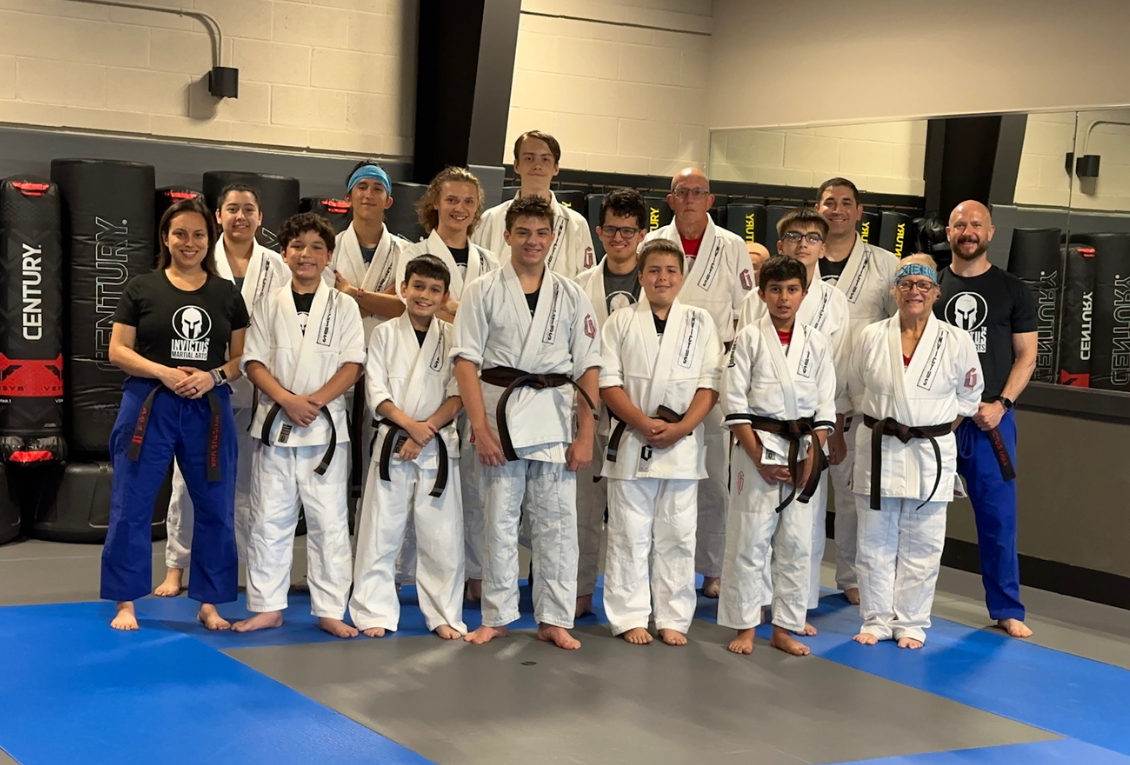
Reality: While physical fitness and strength can enhance a martial artist’s performance, they are not the only (and definitely not the most important) factors. The best martial arts instructors place a strong emphasis on technique, strategy, flexibility, and mental focus. In fact, martial arts styles, like jiu jitsu, also emphasize the ability to use leverage and technique to overcome a physically stronger opponent. Furthermore, martial arts training cultivates attributes like resilience, patience, and mental fortitude, which are crucial for advancement.
3. Martial Arts Are a Thing of the Past
Misconception: Martial arts are outdated and irrelevant in modern times.
Reality: Martial arts have evolved significantly and continue to adapt to contemporary needs. Beyond learning self-defense, training in the martial arts offers valuable lessons in leadership, personal development, and mental health. They also promote physical fitness, enhanced flexibility, and improved focus and concentration. Best of all, a high-quality martial arts instructors will be sure to integrate various aspects of sports science and psychological skills training to provide a comprehensive approach to well-being.
4. All Martial Artists Are Experts
Misconception: Everyone who practices martial arts is an expert or a black belt.
Reality: If you find someone who calls themselves an expert in the martial arts, run the other way. The truth is, martial arts gyms have practitioners at all levels. Many people begin martial arts training with no experience as a hobby or for fitness and may not even aim to become experts. In fact, the best martial artists (and instructors) understand that there is always more to learn from their training and every practice session is an opportunity to improve. The journey through martial arts is personal and ongoing; practitioners continuously learn, grow, and refine their skills. The value of martial arts training is not solely in achieving a black belt but in the ongoing process of self-improvement and learning.
5. Martial Arts Training Is Too Dangerous
Misconception: Training in martial arts is inherently dangerous and leads to frequent injuries.
Reality: While training in the martial arts does involve physical activity and the potential for injury, proper training environments and safety protocols significantly reduce these risks. Experienced instructors prioritize safety and teach students how to practice techniques in a controlled and safe manner. Many martial arts gyms emphasize the importance of warming up, using proper technique, and wearing high-quality protective gear to minimize the risk of injury.
6. Martial Arts Are Just for Young People
Misconception: Martial arts are only suitable for kids/young people and not for older adults.
Reality: Martial arts can be practiced by people of all ages. Many martial arts disciplines offer classes tailored to different age groups and skill levels. For older adults, martial arts can be an excellent way to stay fit, improve balance and coordination, and foster a sense of community. The principles of martial arts—such as respect, perseverance, and mindfulness—are beneficial at any age.
7. Martial Artists Are All the Same
Misconception: All martial artists have the same personality traits or lifestyle.
Reality: Martial artists come from diverse backgrounds and possess a wide range of personalities and lifestyles. What unites them is their commitment to the practice and the principles of martial arts, but beyond that, they are as varied as any other group of people. The practice of martial arts is a personal journey, and each individual brings their unique qualities to their training. This creates a strong and happy martial arts community!
Conclusion
Understanding the martial arts requires looking beyond the stereotypes and appreciating the depth and richness of the practice. Training in the martial arts is not just about fighting; it’s about a holistic approach to personal development, self-discipline, and respect. By dispelling these common misconceptions, we can better appreciate the true essence of the martial arts community as well as the many benefits martial arts offers to those who train in them.
So, the next time you encounter a martial artist, remember that their journey is as varied and individual as they are. Behind every punch and kick is a unique story of dedication, growth, and the pursuit of inner and outer strength.
Ready to join our martial arts community? It’s easy to GET STARTED.

© 2019-2024 Invictus Martial Arts
All rights reserved. Used with permission. This work is licensed under a Creative Commons Attribution-ShareAlike 4.0 International License.
Tags: kickboxing, martial arts, martial arts styles, mindset, wellness