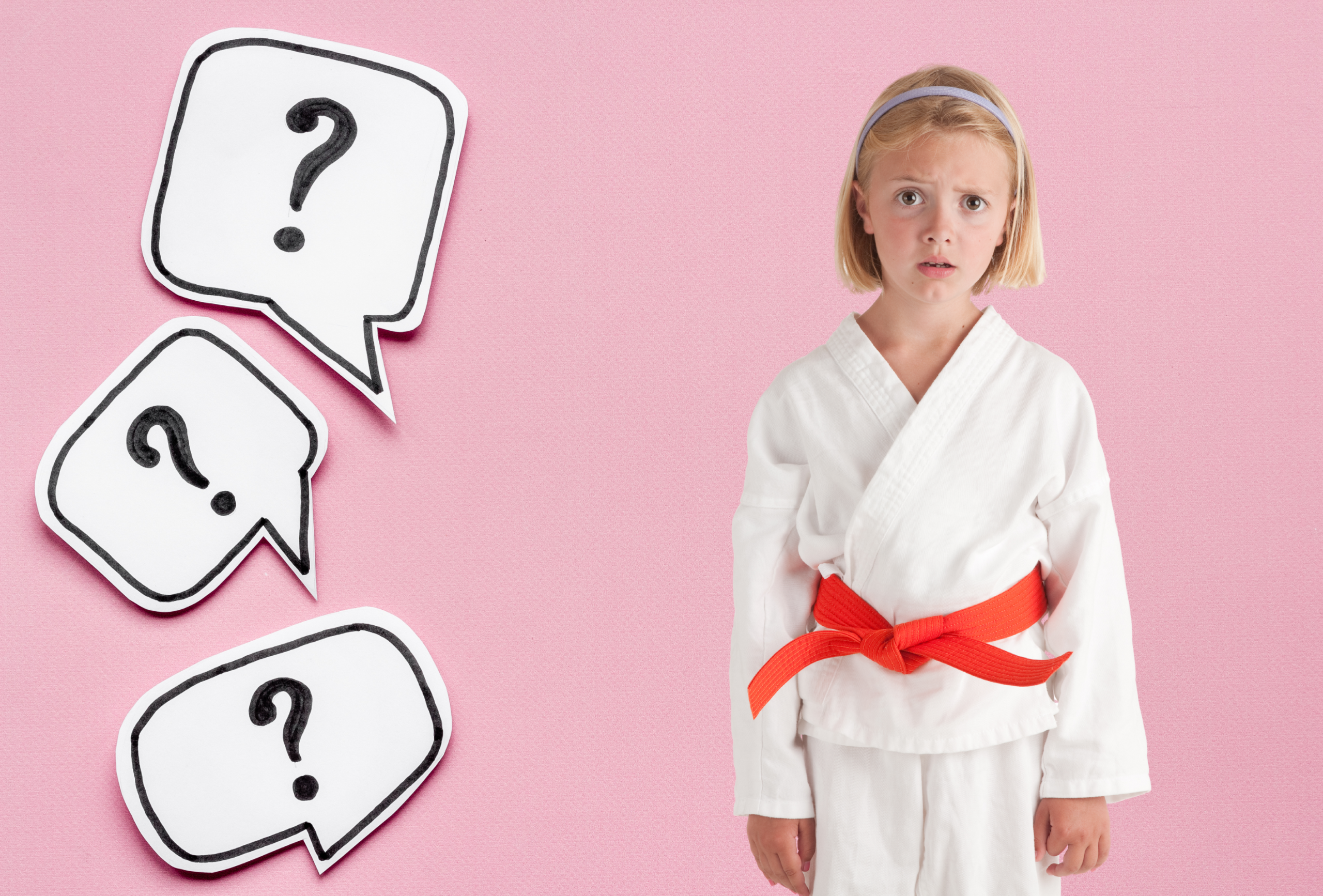
Every parent wants to see their child grow in confidence, discipline, and resilience — and martial arts is one of the best ways to develop those qualities. Yet, it’s not uncommon for kids who were initially excited to put on their uniform to suddenly say, “I don’t want to go to class anymore.”
So, why do kids quit martial arts? And more importantly, how can parents help them rediscover their excitement and motivation?
Let’s explore some of the most common reasons — and practical ways to turn things around.
1. They Hit the “Boredom Plateau”
At first, everything is new and exciting. Kids are learning cool moves, earning new belts, and making new friends. But once the routine settles in, the excitement can fade — especially if they’re not seeing quick progress.
How parents can help:
Remind your child that mastery takes time. Help them set small, achievable goals (like doing more push-ups or earning their next stripe). Celebrate effort over outcome. And if possible, attend a seminar or tournament where they can not only participate, but they can watch advanced students as well — inspiration is contagious!
2. They Struggle With Confidence
Some kids quit because they feel like they’re “not good enough.” They compare themselves to other kids in their class or feel frustrated when techniques don’t come easily.
How parents can help:
Talk openly about challenges being part of growth. Share a story of a time you struggled to learn something. Reinforce that martial arts isn’t about being perfect — it’s about getting a little better every day. Encourage them to focus on progress, not perfection.
3. They Feel Overwhelmed by Other Activities
Kids today have busy schedules — school, sports, homework, and social events can compete for their time and energy. When they feel stretched thin, martial arts might seem like the easiest thing to drop.
How parents can help:
Reevaluate the family calendar together. Sometimes, adjusting their schedule or reducing other commitments helps them enjoy martial arts again. Remind them of the balance and stress relief martial arts provides — it’s not “just another activity,” it’s an essential life skill.
4. They Don’t See the Bigger Picture (Yet)
You understand how valuable martial arts is for developing discipline, confidence, and respect — but kids live in the moment. They don’t always see how what they’re learning now will benefit them for years to come.
How parents can help:
Connect the dots. Point out how martial arts is helping them in school, sports, or friendships. Maybe they’re more focused, calmer, or more respectful — praise them! Kids are more likely to stick with something when they can see its impact.
5. They Need Encouragement from Both Parents and Instructors
Sometimes, kids simply need a little extra motivation — not pressure, but partnership. When parents and instructors work together, kids thrive.
How parents can help:
Stay in communication with your child’s instructor. Share what your child enjoys most (or least) about class. A supportive coach can often reignite a child’s excitement in just a few conversations or small challenges.
The Bottom Line: Quitting Isn’t Always the Answer
It’s normal for kids to go through ups and downs in any long-term activity. But perseverance — especially when things get tough — is where the real growth happens.
By showing patience, encouragement, and perspective, parents can help their kids rediscover the joy and pride that comes from sticking with martial arts. Because one day, that “I don’t want to go” moment could turn into a proud black belt ceremony — and a lifelong lesson in resilience.
Ready to join our martial arts community? It’s easy to GET STARTED.
Martial arts can be a transformative experience for children, offering not only physical skills but also improved confidence and discipline. As a parent, supporting your child during their martial arts class is crucial to your child’s growth and enjoyment of the sport. Here are some effective ways to be there for your child during their martial arts training.
Arrive on Time
Punctuality sets a positive tone for your child’s experience. Arriving early allows them to settle in, use the bathroom before class to prevent interruptions, put their gear on, and mentally prepare to try their best. It also demonstrates to your child that you value their commitment to their martial arts training.
Be Prepared
Ensure your child is dressed appropriately and has all necessary gear. Most reputable martial arts schools will have a dress code that includes expectations for when and how to wear their uniform/gi and belt. Required gear may include gloves, shinguards, mouth guards, and groin protection (as applicable). Familiarize your child with their school’s rules and expectations, so they feel comfortable and focused when it’s time to train.
Avoid Over-Interfering
While it’s natural to want to help, resist the urge to coach or correct your child during their class. Verbal feedback from parents can be distracting to others and can confuse your child. Trust the instructors and coaches to provide feedback and guidance. It is important that your child recognizes their instructors as the ultimate authority figures during classes. Their role is to lead your child in their learning and development. Your role is to support, not to direct.
Stay Positive and Encouraging
Learning martial arts can be challenging, and your child may face difficulties. Encourage patience and perseverance. Remind them that progress takes time, and everyone learns at their own pace. Use positive reinforcement before and after class. A few encouraging words can boost your child’s confidence and motivation. Celebrate their efforts, regardless of whether they achieve specific goals during that class. After class, focus on asking them what they learned and how they felt. This dialogue can help reinforce important lessons, clarify any frustrations, and strengthen your bond.
Avoid Comparison
Every child is on their own journey. Avoid comparing your child’s progress to that of others, whether siblings or classmates. Focus on their individual growth and celebrate their unique achievements. Rather than trying to evaluate their performance in comparison to others, take the time to communicate with your child’s instructors. They can provide insights specific to your child’s strengths and areas for needed improvement. Understanding the instructors’ expectations will help you support your child more effectively. Always encourage your child to practice at home to ensure they continue to make progress in their development.
Attend Events Together
Attend and participate in rank assessments, tournaments, and special events. Your child is an important member of a very special community. Fostering close relationships with the other students (and parents) will enhance their experience. Additionally, your presence at these events shows that you care about their commitment and accomplishments, reinforcing the value of their hard work.
Conclusion
Supporting your child during their martial arts classes is an important part of their journey. By maintaining a positive, encouraging attitude and maintaining open communication, you can help your child thrive both in the dojo and beyond. Remember, your involvement not only enhances their martial arts experience but also teaches them the value of commitment, resilience, and community.
Ready to join our martial arts community? It’s easy to GET STARTED.
As a parent, one of the most important things you can do for your child is to establish a strong and positive relationship with them. But with the demands of a full-time job, managing the household, and the overwhelming commitment of after-school sports and activities, where do you even begin? Here are 5 simple ways to foster a stronger bond with your family that you can begin practicing today:
1. Spend quality time together
We get it. This can be easier said than done. But it doesn’t have to be. Set aside regular time each week to do an activity together that you all enjoy. This can be as simple as making dinner together, taking a family walk, or even a movie night at home. While many activities designed for kids don’t directly allow parents to participate, martial arts in an unexpected exception. In fact, training in the martial arts as a family has been proven to help families establish good fitness habits, increase levels of trust and self-esteem, and decrease stress and anxiety.
2. Listen and communicate
Make sure you REALLY listen to what your kids have to say. Yes, even when it’s a 20 minute recount of their latest Roblox adventure. Listening and engaging with curiosity when it comes to the little things, builds trust and encourages open and honest communication. It’s more likely that they will come to you with the bigger, more challenging matters if they trust that you will listen to the seemingly less significant matters. Additionally, training in the martial arts as a family encourages open communication. As you work through drills and training exercises together, you learn to communicate and even work through conflict and frustration in a healthy and beneficial way.
3. Show affection
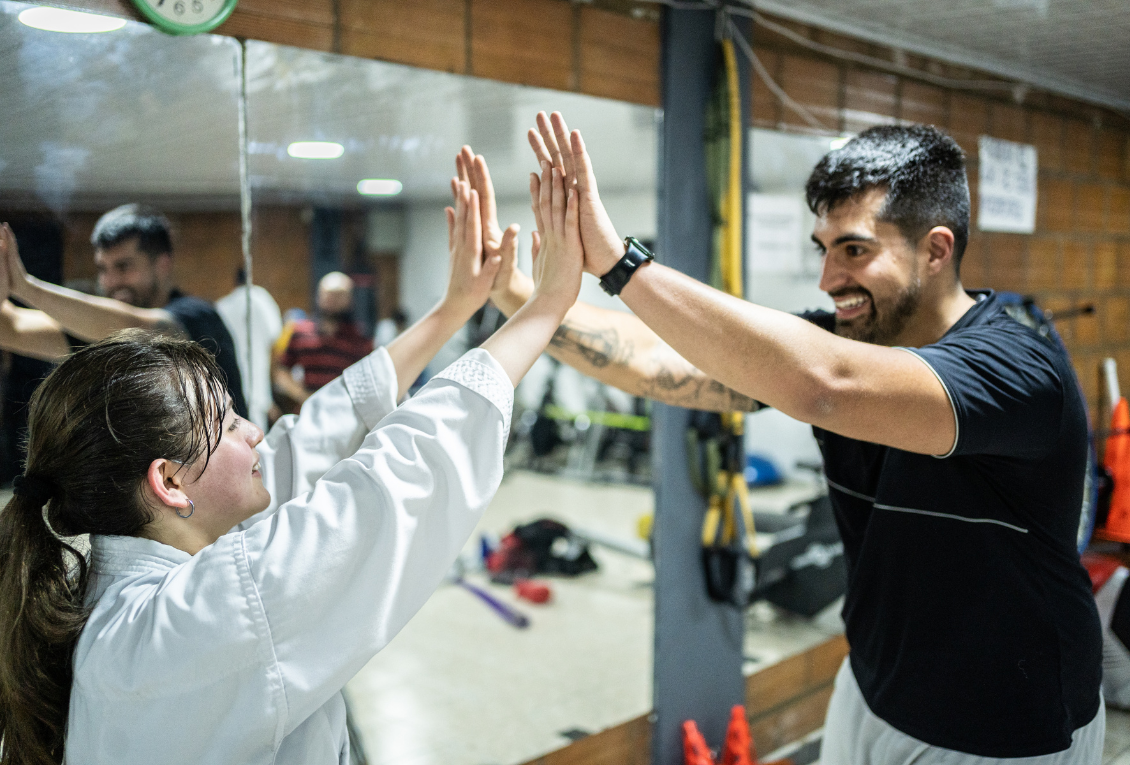
This one is probably obvious, but it’s also an area most of us could probably do better in. Of course, affection can be demonstrated through physical affection, (ie. hugs, high-fives, fist bumps, etc.) or verbal affirmation, (ie. words of encouragement or praise). It’s truly remarkable what a difference a reassuring touch or a kind word can do to help your child feel loved and supported. Having other positive and supportive mentors in their lives, like their martial arts coaches, is also key in helping them develop confidence in who they are and encouraging them to practice their own version of positive self-talk.
4. Be patient and understanding
It’s ok to admit it…every parent has experienced being frustrated with their child at some point. That doesn’t mean we love them any less. But it’s how me chose to deal with our frustration that matters most. It’s important to practice calm communication and a whole lot of patience. It can be challenging to remember that our kids are still developing, mentally and physically, and sometimes that means they don’t always make the best decisions when it comes to their actions. The more you can demonstrate patience and understanding, without compromising your family’s morals or ethics, the stronger your bond will be. And oh, by the way, martial arts is a great outlet for stress relief and getting some of that frustration out in a healthy way (we like to call it “bag therapy”).
5. Reward!
Rewards work as a way of positive reinforcement and really lets your kid know when they’ve done something well, and encourages good and consistent behavior. Experts agree that rewards work best when they are immediate (given right away) and intermittent (not every single time). Remember, this is NOT a bribe…it’s a reward. And yes, there’s a big difference. And guess what? Rewards don’t always have to be material things (though, it’s ok if they are sometimes). In fact, there are four main types or rewards you can consider (pro-tip…you’re doing amazing, so make sure you reward yourself, too):
Self-care rewards– play a video game, watch a movie, listen to music
Social rewards– set up a “play date” or lunch with a friend, plan a family outing, have a picnic
Healthy rewards– sign up for a “fun run” or 5k, make a fun, healthy meal together, go for a hike
Don’t be afraid to get creative and above all…have FUN! Following these five simple tips, you’ll build a bond with your family that will surely last a lifetime!
Ready to join our martial arts community? It’s easy to GET STARTED.
When it comes to martial arts, everyone wants to get better at sparring. One of the best ways to do this is to learn some basic shadowboxing tips. Sparring is a learning environment where martial artists try their techniques with a resisting partner. Shadowboxing helps improve a fighter’s timing, range, movement, and more to use during sparring. So, let’s take a look at shadowboxing dos and don’ts.
Shadowboxing Tips
Don’t look or punch down
A common mistake that most beginners make is punching down. It’s typically because most beginners aren’t used to keeping a good, defensive guard. Beginners will punch from their chest or shoulders versus punching from their cheekbone area. Additionally, beginners will often unintentionally punch to chest level because it feels more natural at first. Remember: your punch will usually go where you are looking.
Do look up and punch eye level
A good shadowboxing practice is to keep your chin tucked and look up (chin down, eyes up). Also, always punch to your eye level. Imagine that you are fighting someone of your own height and size. Always keep your punches to head level.
Don’t focus only on offense
Another common mistake beginners make is practicing only offense techniques. This is because in a beginner’s mind they are the ones winning the match every time. Realize that the absolute best strikers in the UFC only land 60-75% of their intended strikes. The average professional striker is at or below 50%. Yes, practice how you want to perform but be aware that a good number of those offensive strikes won’t find their intended target.
Do add defense techniques
This means that a good shadowboxing tip is to add defense to your practice. Imagine your shadowboxing partner is also using offense and you need to block, evade, or redirect their strike. This will make you a better and more well-rounded fighter and sparring partner.
Don’t stand in one place
A stationary object is easy to hit. This is why practicing on heavy bags makes them simple to use… they don’t move. A good sparring partner will move. And if they don’t, hit them.
Do stay light on your feet and move
Practice your strikes the way you want to perform. So, move with intent and purpose and use both offense and defense as you do. Make sure to keep light on your feet when you move and avoid large steps. Large steps and overly excessive movement telegraph your maneuvers making it easier for your opponent or partner to respond and counter. So, stay light on your feet and move.
Don’t punch with t-rex arms
This may seem obvious at first glance but most beginners feel more comfortable keeping their arms close to their body. Unfortunately, when it comes to sparring or fighting, the opposite is often true. Keeping your strikes too close to your body allows your opponent or partner to close the distance. This gives them the advantage to hit the targets they want since they’re in no danger of you reaching them.
Do fully extend your strikes
Practice with your full range of motion. Not every strike has the same reach. So, practice each technique at the full range of motion. Familiarize yourself with how far each strike can effectively reach its intended target. This will give you the upper hand when sparring because you’ll know when a person is in range and when they’re not.
There you have it! Invictus’ shadowboxing tips to help you become a better sparring partner. This is also a great way to gain proficiency when working with pads or working on a heavy bag.